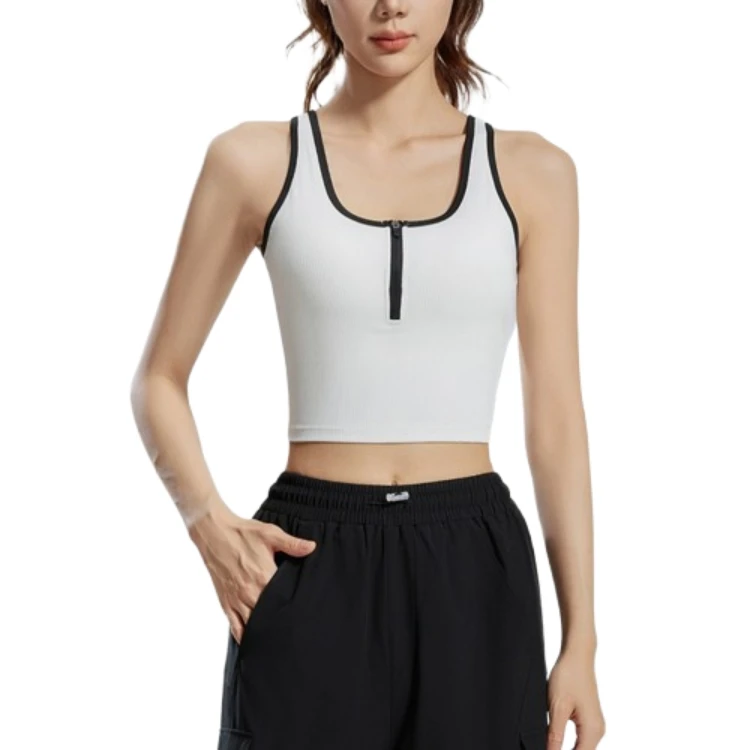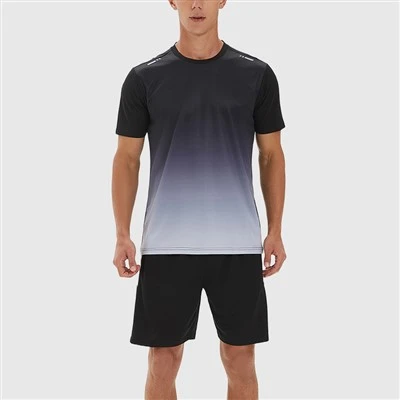
Breathability and quick-drying are core requirements.
When running, body temperature rises, and sweat evaporation is crucial. Polyester and polypropylene fibers from chemical fibers are common choices; their microporous structure allows for rapid sweat wicking, keeping skin dry. Experimental data shows that these fabrics diffuse moisture more than three times faster than cotton and are lighter, making them suitable for medium- to high-intensity training.
Fitness and stretch are equally important.
Elastic spandex blends offer 5%-15% lateral stretch, allowing for greater freedom of movement. Pay attention to flat seams to avoid friction. For nighttime running, choose fabrics with reflective strips to improve visibility. When wearing multiple layers, choose a mesh fabric for the inner layer to enhance airflow.
Adjust material combinations according to the season.
In summer, opt for nylon blends with an cooling coating, which can lower the perceived temperature by 1-2°C. In winter, use hollow fiber and wool blends for both warmth and moisture wicking. In spring and autumn, try a double-sided weave, with different materials for the inner and outer layers to achieve temperature and moisture balance. In special weather conditions, windproof and water-repellent fabrics can cope with sudden rainfall.