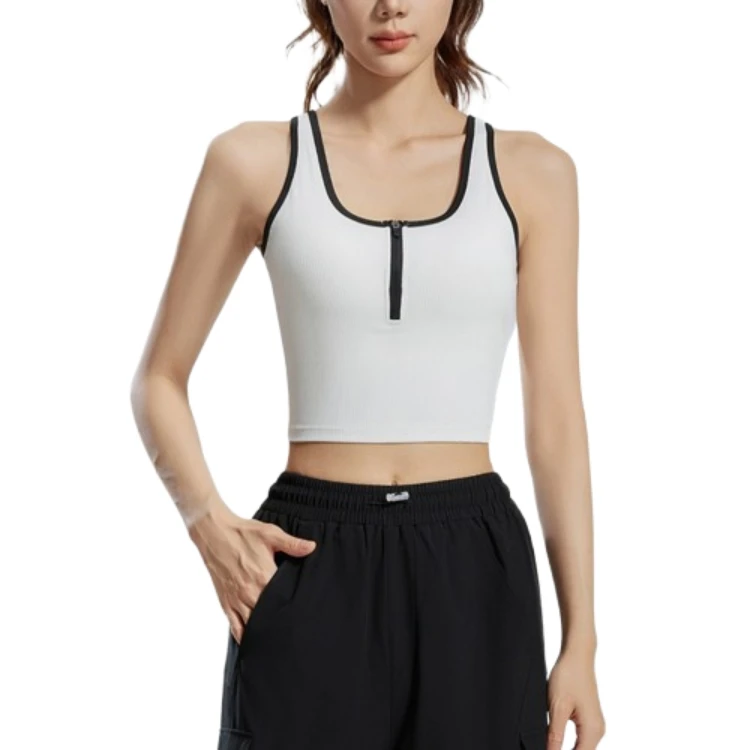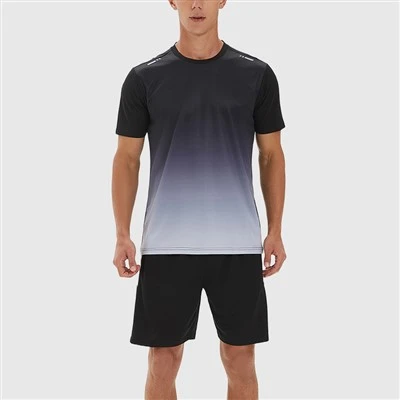
What Fabric Works Best for Running Shirts in Hot Weather?
A hot-weather running shirt should use a lightweight performance fabric that manages sweat, dries efficiently and allows enough airflow for the intended training conditions. Fiber type matters, but fabric weight, knit structure, ventilation zones, stretch and garment fit should be reviewed together before selecting the final material.
Prioritize Heat and Moisture Management
Low Fabric Weight
Lightweight fabrics reduce unnecessary material bulk and are easier to use in warm-weather running tops where heat release is important.
Moisture Movement
The fabric should move moisture away from the skin and spread it across the surface so the garment can dry more efficiently during training.
Airflow
Knit structure, mesh zones or ventilation details can improve airflow around areas where heat and sweat build up quickly.
Evaluate More Than the Fiber Name
| Factor | Hot Weather Priority | Buyer Check |
|---|---|---|
| Fabric Weight | Keep unnecessary bulk low | Confirm GSM or compare with a reference garment. |
| Fiber Composition | Choose a performance-oriented material direction | Review polyester, nylon or blended options against the finished shirt. |
| Knit Structure | Support airflow and moisture movement | Check whether the fabric is dense, open or combined with mesh zones. |
| Stretch | Allow movement without excessive garment restriction | Confirm whether stretch is required for the target fit and design. |
| Fit | Balance airflow with movement | Specify fitted, regular or loose direction before sampling. |
| Construction | Reduce unnecessary bulk in high-movement areas | Review seams, panels, collar, sleeves and ventilation details. |
Polyester, Nylon or Stretch Blend?
Polyester Direction
Polyester is commonly considered for performance running tops where lightweight construction and moisture management are priorities. Final performance still depends on the yarn and knit structure.
Nylon Direction
Nylon can be evaluated when the project requires a smooth handfeel, lightweight construction or a different surface character from polyester.
Stretch Blends
Adding stretch can support closer-fitting running tops, but the amount should match the garment fit rather than being added without a clear need.
Use Ventilation Where Runners Need It Most
Mesh Panels
Mesh can be placed in selected high-heat areas rather than replacing the entire main fabric. Panel position should be defined in the garment specification.
Ventilation Details
Open-knit zones or engineered ventilation can reduce dependence on heavier fabric structures and support warm-weather use.
Match the Fabric to the Running Shirt Style
Running Undershirt
Keep the fabric light and close to the body while controlling excess bulk around seams and arm openings.
Loose Running Shirt
A looser fit can support more air movement, but fabric drape and total garment weight still need to be controlled.
Long or Half-Zip Top
Longer sleeves or zip openings add construction and coverage, so the fabric should be selected with the intended temperature range and use scenario in mind.
What to Include in a Running Shirt Fabric Brief
- Running shirt type
- Men's or women's fit direction
- Target fabric composition
- Preferred GSM
- Fitted, regular or loose fit
- Sleeve length
- Mesh or ventilation zones
- Stretch requirement
- Printing or logo requirements
- Quantity by style and color
- Size range
- Destination market
Review the Finished Shirt Before Fabric Approval
- Check fabric weight against the intended warm-weather use.
- Review moisture handling after the fabric is made into the garment.
- Confirm that ventilation panels are positioned correctly.
- Check sleeve and armhole movement during running motion.
- Confirm fit without excessive fabric movement or restriction.
- Review printing, logo placement and seam construction on the finished sample.
Running Shirt Fabric FAQ
Start with a lightweight performance fabric and evaluate moisture movement, drying, airflow, fit and garment construction together before approving the final material.
Polyester can be used for performance running tops, but fiber name alone does not determine the result. Fabric weight, yarn, knit structure and finishing also affect the finished shirt.
Mesh panels can be useful when additional airflow is required in selected areas. Their position and size should be defined according to the garment design.
Either can work. The fit should match the target runner, fabric stretch, airflow requirement and intended product style.
Provide the running shirt type, target fabric direction, preferred GSM, fit, size range, sleeve design, ventilation details, branding, quantity and destination market.
Get a Running Shirt Fabric Recommendation
Send your shirt type, fabric preference, target GSM, fit, ventilation requirements, size range, quantity and branding details.