Which Fabric Works Best for Training Wear?
Polyester suits many training garments where durability and practical performance are important. Nylon is often chosen for a smoother feel and closer-fitting styles. Spandex adds stretch and recovery when the garment needs to move closely with the body.
Polyester, Nylon and Spandex Compared
| Material | Character | Common Use |
|---|---|---|
| Polyester | Versatile and durable across many fabric constructions. | T-shirts, shorts, jackets and general training apparel. |
| Nylon | Smooth handfeel and good flexibility in fitted garments. | Leggings, fitted tops and close-to-body styles. |
| Spandex | Adds stretch and recovery to blended fabrics. | Leggings, fitted tops, shorts and stretch-based apparel. |
Match the Fabric to the Garment
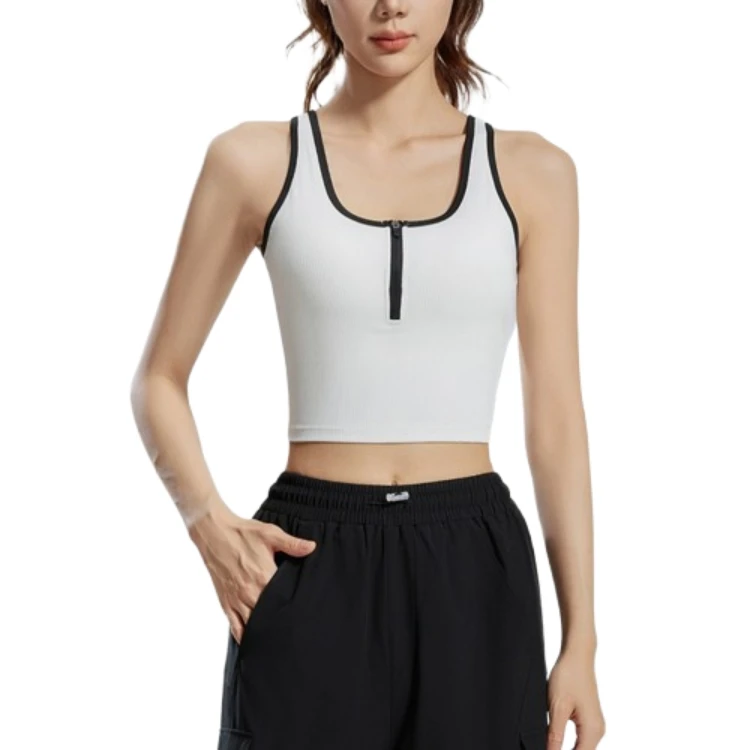
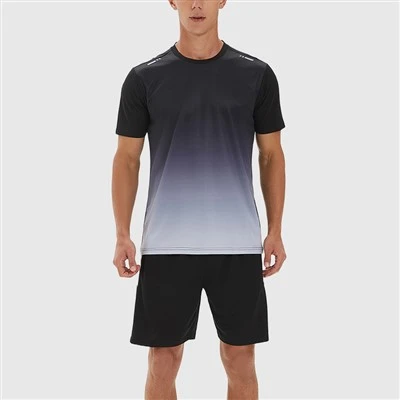
Training Tops
Consider weight, airflow, stretch and fit together. A loose T-shirt and a fitted gym top may need very different fabric structures.
Leggings and Tight Styles
Stretch, recovery, opacity and waistband stability become more important as the garment fits closer to the body.
Shorts and Training Sets
The fabric should suit the required movement, pocket structure, liner design and overall fit.
Choose the Blend for the Target Fit
Regular Fit
Regular-fit garments have more room, so high stretch may not be necessary for every style.
Fitted Styles
Closer-fitting garments need enough stretch and recovery to support movement without losing shape.
High-Movement Garments
Leggings, fitted shorts and close-to-body tops usually need more attention to fabric extension and recovery.
Fabric Weight Matters as Much as Fiber Content
Lighter Fabrics
Lower-weight fabrics can suit training tops and warm-condition garments where reduced bulk is preferred.
Heavier Fabrics
More substantial constructions may suit leggings, structured training pieces and garments requiring greater coverage.
What to Specify for a Training Wear Style
- Garment type
- Polyester or nylon preference
- Stretch requirement
- Target GSM
- Regular or fitted shape
- Men's or women's sizing
- Top, shorts or leggings
- Liner requirement
- Pocket construction
- Printing or logo method
- Size range
- Quantity by style
Check the Fabric in the Finished Garment
- Check movement in the intended fit.
- Review handfeel and garment weight.
- Check opacity and recovery on fitted styles.
- Confirm finished measurements after fabric selection.
Training Wear Fabric FAQ
Yes. Polyester can be used across many training garments, depending on fabric weight, structure, stretch and fit.
Nylon is often considered for fitted garments when a smoother handfeel and flexible fabric construction are preferred.
There is no single percentage for every garment. The required stretch depends on the fabric construction, fit and movement needs.
Sometimes, but tops and leggings often need different levels of weight, stretch, opacity and structure.
Provide the garment type, target fit, preferred fiber direction, target GSM, stretch requirement, size range and quantity.
Choose the Right Fabric for Your Training Wear
Send your garment type, target fit, fabric direction, GSM, stretch requirement, size range, quantity and branding details.