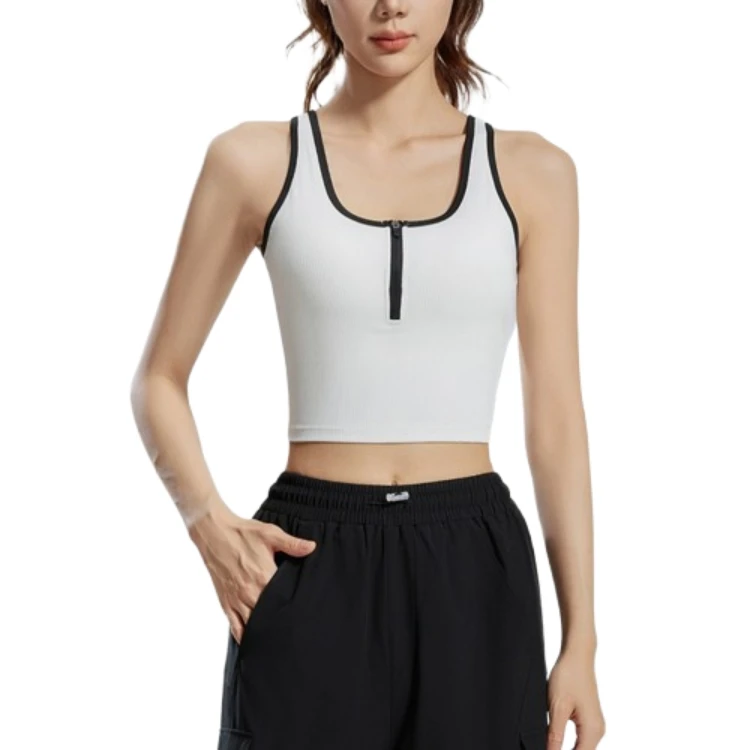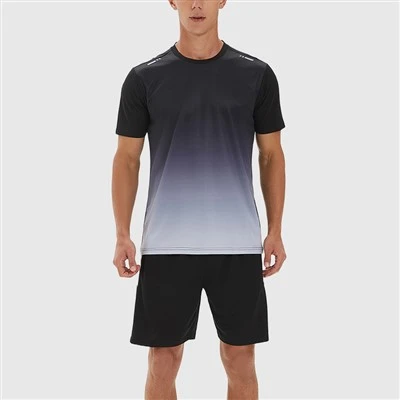
How Should Running Clothes Fit?
Regular fit leaves more room around the body, slim fit follows the body more closely, and compression fit uses a highly fitted stretch construction. Choose the fit according to garment type, fabric stretch and intended use.
Regular, Slim and Compression Fit Compared
| Fit | Shape | Fabric | Best For |
|---|---|---|---|
| Regular | More room around the torso, arms or legs | Stretch depends on the garment design | Running shirts, loose tops and layering pieces |
| Slim | Closer to the body without strong compression | Good stretch and recovery are more important | Fitted tops, shorts and streamlined sets |
| Compression | Very close to the body | Requires controlled stretch, recovery and sizing | Tights, base layers and highly fitted garments |
Choose the Fit by Garment Type
Regular or Slim
Regular fit allows more room and airflow. Slim fit creates a closer silhouette and needs more attention to stretch and finished measurements.
Room for Stride Movement
Outer shorts need enough room for leg movement. A fitted liner can use a different fit from the outer shell.
Close-to-Body Fit
Tights require suitable stretch, stable recovery and controlled waist, hip and thigh measurements.
Fabric Stretch Changes the Finished Fit
Regular Fit
A regular garment may require less stretch because the pattern already provides more room for movement.
Slim Fit
A closer pattern increases the importance of stretch and recovery, especially around shoulders, hips and thighs.
Compression Fit
Fabric and pattern must be developed together because small changes in stretch or measurements can noticeably change the fit.
Check the Areas That Control Movement
Upper Body
Check shoulders, armholes, chest and sleeve width so the garment moves naturally with the running motion.
Lower Body
Check waist, hip, thigh and inseam measurements together with stretch and waistband construction.
Provide the Key Fit Specifications
- Garment type
- Regular, slim or compression fit
- Men's or women's sizing
- Fabric composition
- Stretch requirement
- Chest or waist measurement
- Hip and thigh measurement
- Garment length
- Sleeve or inseam length
- Waistband construction
- Size range
- Reference sample or tech pack
Check the Finished Sample in Motion
- Check shoulder and arm movement.
- Confirm the waist stays in position during running motion.
- Check hip and thigh movement through a full stride.
- Compare finished measurements with the approved size specification.
Running Clothes Fit FAQ
Either can work. The right fit depends on the garment type, fabric stretch and intended use.
Slim fit follows the body closely without strong compression. Compression fit uses a tighter stretch construction and requires more precise control of fabric and measurements.
A closer-fitting garment needs enough stretch for movement and recovery, but the exact fabric depends on the pattern and product design.
No. Tights use a closer fit, while outer running shorts normally need more room for stride movement.
Provide the garment type, target fit, fabric direction, size range, key measurements and a reference sample or tech pack where available.
Choose the Right Fit for Your Running Apparel
Send your garment type, target fit, fabric direction, size range, key measurements, quantity and branding requirements.