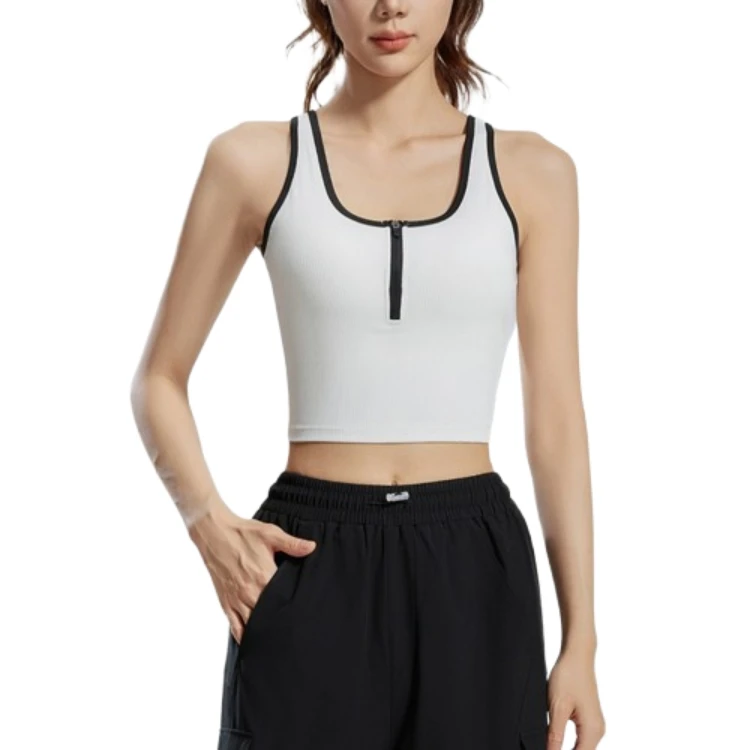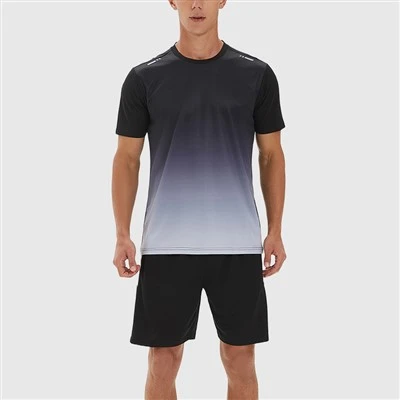
The rise of micro-outdoor clothing has placed new demands on its functionality and aesthetics, with core requirements summarized as lightweight, basic functionality, scene adaptability, and style.
Lightweighting is primarily achieved through lightweight fabrics and lightweight construction. Lightweight fabrics generally utilize high-density, low-grammage functional materials, significantly reducing fabric weight while maintaining basic protective functions such as windproofing and water repellency. Lightweight construction reduces the overall weight of clothing by simplifying cuts and reducing redundant design elements; for example, some ultralight rain jackets can weigh less than 200 grams.
Basic functionality requirements can be further subdivided into sun protection and temperature control, waterproofing and breathability, and abrasion resistance and antibacterial properties. Regarding sun protection and temperature control, modern micro-outdoor clothing increasingly incorporates sun protection, with UPF ≥ 50 becoming a basic standard. Cooling and moisture management technologies are also used to address the conflict between sun protection and stuffiness during summer outdoor activities. As for waterproofing and breathability, waterproof and breathable clothing can effectively cope with short-term rainfall. In terms of abrasion resistance and antibacterial properties, to enhance durability, highly abrasion-resistant fabrics are used combined with reinforced stitching, while antibacterial treatment inhibits bacterial growth.
Regarding scene adaptability and fashion, modern consumers' demands for clothing are no longer limited to single functions; more and more people want clothing that can be freely adapted to different life scenarios. Micro-outdoor clothing places greater emphasis on integration with urban life. Designers, while pursuing functionality, also focus on the fashion and adaptability of clothing, making it suitable for daily commutes, leisure activities, and even business occasions. The colors, fabrics, and styles of micro-outdoor clothing are also becoming increasingly diverse.
The future development trends of micro-outdoor clothing include concealed functional design, sustainability becoming standard, the expansion of smart textile applications, and multi-functionality and cross-scene adaptability. Concealed functional design means that future micro-outdoor clothing will focus more on integrating functionality with everyday wear, with an appearance closer to casual wear. Sustainability becoming standard means that the use of environmentally friendly materials and recycled fabrics will become mainstream. The expansion of smart textile applications means that smart fabrics may automatically adjust temperature or humidity according to environmental changes. Multifunctionality and cross-scenario adaptability mean that future micro-outdoor clothing will pay more attention to cross-scenario functional design, and be able to meet the needs of "one garment for multiple uses" in daily life, commuting and light outdoor activities.