What Makes a Sporty Business-Casual Collection Work?
A sporty business-casual collection combines active comfort with cleaner silhouettes and restrained details. The goal is not to make gym wear look formal, but to build products that feel comfortable while remaining suitable for work, travel and everyday use.
Start with the Main Wearing Scenario
Office to Active
Cleaner silhouettes and controlled details can keep the garments suitable for work while still allowing comfortable movement.
Travel
Products should remain comfortable through sitting, walking and changes between indoor and outdoor environments.
Casual Commute
Relaxed comfort can take a larger role, but the overall shape should remain more structured than typical loungewear.
Build the Collection with Different Product Roles
| Product | Role | Key Design Point |
|---|---|---|
| Polo Shirt | A cleaner upper-body option for work and daily wear. | Collar, placket, surface texture and fit. |
| Simple Top | A flexible base piece for layering or standalone wear. | Neckline, sleeve shape, length and drape. |
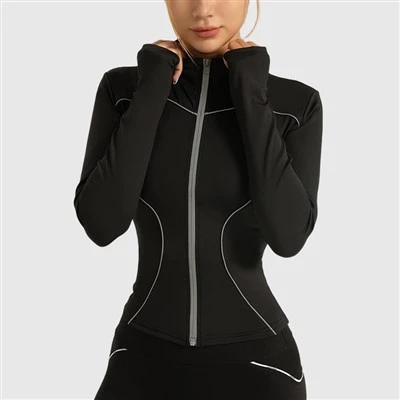
| Hoodie or Jacket | A casual outer layer that connects the collection. | Hood or collar shape, zipper, pockets and cuffs. |
| Leggings | A fitted option for more active combinations. | Waistband, surface appearance and overall fit. |
| Straight Pants | A cleaner bottom for work, travel and mixed-use outfits. | Leg shape, waistband, fabric body and pockets. |
| Sweatpants | A more relaxed bottom within the collection. | Volume, hem shape, drawcord and pocket treatment. |
Fabric and Fit Set the Overall Tone
Surface Appearance
Matte or restrained surfaces can help active-inspired garments sit more naturally beside everyday casual pieces.
Fabric Structure
Enough body can create cleaner lines in polos, jackets and pants, while softer fabrics may suit more relaxed products.
Fit
Regular silhouettes keep the range versatile, while selected fitted pieces can add an athletic character without defining every product in the same way.
Use Color and Details to Connect the Range
Color Palette
Repeating a small group of core colors can connect different garments without making every style identical.
Branding and Trims
Consistent logo scale, zipper finishes, labels and hardware can create continuity across tops, outerwear and bottoms.
Construction Details
Similar pocket shapes, seam directions or panel details can create a shared visual language without being repeated on every product.
Keep the Collection Focused
Core Pieces
Start with a limited group of styles that clearly express the collection direction, such as a polo, versatile top, pant and outer layer.
Additional Pieces
Add leggings, sweatpants, hoodies or other options when they serve a distinct use rather than simply increasing the number of SKUs.
Details to Confirm Before Sampling
- Main wearing scenario
- Core product range
- Role of each additional style
- Target fit by garment
- Fabric surface and structure
- Stretch requirement where needed
- Core and accent colors
- Logo scale and placement
- Zipper and trim direction
- Pocket construction
- Size range
- Branding requirements
Sporty Business-Casual FAQ
Can leggings be included in a business-casual collection?
Yes. Their suitability depends on the fabric surface, fit, waistband and how they are coordinated with the other pieces in the collection.
Do all garments need to use the same fabric?
No. Different fabrics can be used when their appearance, color and handfeel remain compatible with the collection direction.
Can a sporty business-casual collection include both fitted and relaxed pieces?
Yes. Different fits can work together when their proportions, fabrics and design details still feel intentional as one range.
Should every style be available in the same colors?
Not necessarily. Core colors can repeat across the range, while selected styles can use additional colors without breaking the overall collection.
Develop the Range Around One Clear Direction
Share your target wearing scenario, planned product mix, fabric direction, fits, color palette, size range and branding requirements.