What Makes a Gym Wear Set Feel Like One Collection?
A gym wear set should share the same training purpose, visual direction and overall fit language, but the top and bottom do not need to be identical. They can use different fabrics or structures when each piece performs its own role and the finished set still looks balanced together.
Start with the Training Scenario
| Training Direction | Top Consideration | Bottom Consideration |
|---|---|---|
| Strength Training | Shoulder and arm movement with controlled body volume. | Stable waist fit and enough room through the hip and thigh. |
| Cardio | Lightweight movement and a fit that stays comfortable as activity increases. | Secure fit with minimal unwanted movement during repeated motion. |
| Studio Training | Coverage and stretch through bending and overhead movement. | Flexibility through the hip, rise and knee. |
| General Gym | Versatile fit for mixed training activities. | A balanced structure that can work across different exercises. |
Choose the Top by Movement and Coverage
Tank Top
A tank leaves more of the shoulder and arm exposed. Armhole depth, shoulder width and body length need to match the intended level of coverage.
T-Shirt
A tee provides more upper-body coverage while remaining easy to combine with shorts, leggings or training pants.
Long Sleeve
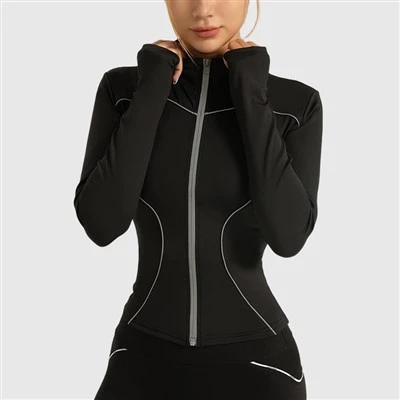
A long sleeve adds arm coverage and may suit cooler environments or layered training outfits. Shoulder and sleeve movement need to remain unrestricted.
Choose the Bottom by Fit and Training Movement
Shorts
Length, leg opening, waistband and pocket structure determine how the shorts behave during squats, lunges and faster movement.
Leggings
Stretch, recovery, waistband stability and fit through the rise, hip and knee are central to the finished garment.
Training Pants
Pants offer more leg coverage and need enough room for movement without creating unnecessary volume around the knee or ankle.
Do the Top and Bottom Need the Same Fabric?
Not necessarily. A coordinated set can use different fabric weights, structures or stretch levels when the garments have different functional needs. The important point is that their surface appearance, handfeel and overall visual direction work together.
Same Fabric
Using one fabric can create a very direct visual match and may suit products with similar stretch, weight and coverage needs.
Coordinated Fabrics
Different fabrics can work when the top needs lighter movement while the bottom requires more structure, recovery or coverage.
Proportion Connects the Top and Bottom
| Design Area | What to Consider |
|---|---|
| Top Length | Cropped, regular and longer tops create different relationships with the waistband and overall silhouette. |
| Waist Height | Higher and lower waist positions change how much space appears between the top hem and bottom waistband. |
| Bottom Length | Shorts, full-length leggings and pants give the same top a different visual balance. |
| Overall Volume | A fitted top can pair with a fitted or looser bottom, but the combination should look intentional rather than accidental. |
Use Shared Details to Build One Design Language
Color
The pieces can use the same color or a controlled combination of base and accent colors.
Branding
Logo scale and placement should feel related even when the top and bottom use different positions.
Construction Details
Panel lines, contrast stitching, zipper finishes and pocket details can connect the garments without being copied exactly.
Two-Piece Set or Mix-and-Match Range?
Fixed Two-Piece Set
A fixed set pairs one top with one bottom. The two garments need a clear relationship in proportion, color and intended training use.
Mix-and-Match Range
A broader range allows several tops and bottoms to work together. Shared colors and design details become more important because each piece may be combined in several ways.
Details to Confirm Before Sampling
- Primary training scenario
- Top type and fit
- Bottom type and fit
- Top length
- Waistband height and structure
- Bottom length
- Fabric direction for each piece
- Core and accent colors
- Logo size and placement
- Panel, seam and pocket details
- Size range
- Fixed set or mix-and-match structure
Check the Top and Bottom Together
| Check | What to Review |
|---|---|
| Standing Fit | Overall proportion, top length, waist position and bottom silhouette. |
| Squat and Lunge | Whether the top rides excessively, the waistband shifts or the bottom restricts movement. |
| Arm Movement | Shoulder and sleeve freedom without pulling the entire top out of position. |
| Full Outfit | Whether fabric appearance, color, branding and proportions feel coordinated when worn together. |
Gym Wear Set FAQ
Do the top and bottom need to use the same fabric?
No. Different fabrics can work in one set when their appearance, handfeel and performance direction remain compatible with the intended training use.
Can a loose training top be paired with fitted leggings?
Yes. The combination can work when the top length, overall volume and legging waist position create a balanced silhouette.
Does every piece in a gym wear set need the same color?
No. Matching colors are one option, while coordinated base and accent colors can create a clear set without making both pieces identical.
Should tops and bottoms use the same size range?
The size structure should match the intended product plan. If tops and bottoms are sold or selected separately, their sizing should be reviewed independently rather than assumed to fit every wearer as one fixed combination.
Develop the Set Around One Training Direction
Share your preferred top and bottom styles, training use, fabric direction, fits, colors, size range and branding requirements.