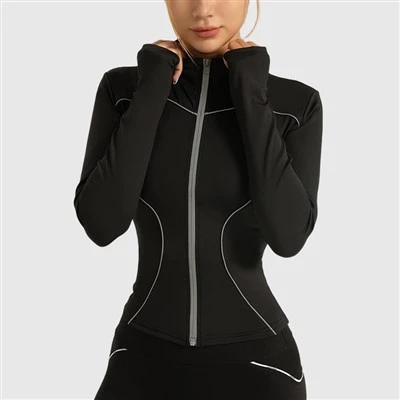
How Should Cold-Weather Hiking Clothes Be Layered?
A cold-weather hiking system works best when each layer has a different role. The base layer stays close to the body, the mid layer provides insulation, and the outer layer manages wind and wet conditions. Additional pieces such as a vest can be added when more torso insulation is needed.
Base Layer: Close Fit Without Restriction
Body Fit
The first layer should sit close enough to avoid bulky folds while leaving comfortable movement through the torso and arms.
Mobility
Reaching, climbing and backpack use place repeated demand on the shoulders, elbows and back.
Moisture Management
The fabric direction should account for heat and moisture generated during active hiking rather than focusing only on warmth.
Mid Layer: Choose the Level of Insulation
| Option | Structure | What to Consider |
|---|---|---|
| Fleece or Sherpa | Soft lofted construction for an insulating middle layer. | Bulk around the collar, shoulders and cuffs when worn under a jacket. |
| Light Insulated Layer | Shell and insulation construction with more defined garment structure. | Body volume, packed size and fit beneath the outer layer. |
| Light Knit Layer | Lower-bulk option for milder conditions or more active use. | Stretch, body length and comfort beneath a shell. |
Outer Layer: Match Protection to the Conditions
Wind
Shell fabric and garment construction should reflect the expected level of wind exposure.
Rain and Snow
Wet-weather requirements should be defined separately. A jacket should only be described as waterproof when its materials and construction support that claim.
Garment Structure
Hood, cuffs, hem and closures affect how well the outer layer works with the clothing underneath.
Use a Vest When Torso Insulation Is the Priority
A vest adds insulation around the body while leaving the arms uncovered. It can be worn over a light layer or beneath a shell, depending on its volume and collar construction.
Plan the Bottom Half Separately
Hip and Knee Movement
Hiking pants need enough mobility for long steps, climbing and repeated bending.
Inner Layer
If tights or another base layer will be worn underneath, the outer pant should allow room without becoming excessively loose.
Hem and Footwear
Lower-leg width should work with the intended hiking footwear and the required ankle coverage.
Layering Space Should Increase in the Right Places
| Layer | Fit Direction | Important Area |
|---|---|---|
| Base Layer | Close to the body. | Torso, shoulders and arms. |
| Mid Layer | Allows the first layer underneath without excess volume. | Shoulders, collar and cuffs. |
| Outer Layer | Accommodates the planned inner layers. | Chest, shoulders, elbows and hem. |
Simply enlarging every layer by the same amount can create unnecessary bulk. The required space depends on the thickness and structure of the garment underneath.
Activity Level Changes the Layering Need
Higher Activity
Uphill hiking and sustained movement generate more heat, so the wearer may need to open or remove an insulating layer.
Slower or Static Periods
Rest stops or slower sections may require additional insulation or coverage that can be added without restricting the rest of the system.
Details to Define Before Sampling
- Target climate and weather conditions
- Expected hiking intensity
- Number of planned layers
- Base-layer fit
- Mid-layer construction
- Outer-shell direction
- Vest position if included
- Hiking pant layering requirements
- Hood and collar construction
- Pocket position and intended use
- Backpack compatibility
- Size range and branding
Test the Complete System Together
| Movement | What to Review |
|---|---|
| Overhead Reach | Shoulder freedom and whether inner layers pull the outer jacket upward. |
| Backpack Wear | Shoulder bulk, collar comfort and access to pockets. |
| High Step | Hip and knee mobility through all bottom layers. |
| Add or Remove a Layer | Whether the system can adapt without making the remaining garments too loose or restrictive. |
Cold-Weather Hiking Clothes FAQ
Does every layer need weather protection?
No. Weather protection is mainly handled by the outer layer. Inner layers have different priorities, including body contact, movement and insulation.
Can fleece and an insulated vest be used in the same system?
They can, provided the combined bulk still allows comfortable movement and enough room inside the outer layer.
Should hiking pants be sized larger for winter use?
Not automatically. The pattern should account for the intended inner layer while keeping the outer pant stable and comfortable.
Does a winter hiking jacket need a loose fit?
It needs enough room for the intended inner layers, but excessive volume can affect movement and garment balance. The fit should be developed around the actual layering plan.
Develop the Products as a Complete Layering System
Share your target climate, planned layers, activity level, fabric direction, fit requirements, hood and pocket structure, size range and branding details.