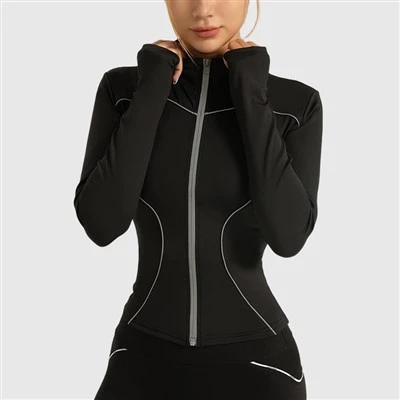
What Does a Sportswear Tech Pack Need to Include?
A sportswear tech pack turns a design into specifications that can be checked during sampling and production. It should define the garment shape, measurements, fabric, colors, construction, trims and branding clearly enough for both sides to work from the same product requirements.
Start with Clear Garment Drawings
Front and Back Views
Show the complete garment shape, including visible seams, panels, openings and major design details.
Detail Views
Add close-up drawings for pockets, waistbands, collars, zippers or other areas that are not clear in the main views.
Construction Notes
Identify details that affect how the garment is assembled instead of expecting the drawing to communicate everything.
Define Measurements with Clear Points of Measure
Each important dimension should have a defined Point of Measure, or POM, so the sample is measured in the same way each time. The base size and intended size range should also be identified.
| Item | What to Define | Purpose |
|---|---|---|
| POM | Where each measurement starts and ends. | Keeps sample measurement consistent. |
| Base Size | The size used for the main sample specification. | Gives fitting comments one clear reference size. |
| Size Range | The sizes planned for the finished style. | Separates the sample size from the full range. |
| Grade Rules | How selected measurements change between sizes. | Keeps grading tied to the intended fit rather than simple proportional scaling. |
Describe the Fabric Beyond Its Name
Composition
Include the intended fiber composition when it has already been defined.
Weight
Add the target GSM when fabric weight is part of the product requirement.
Structure and Feel
Knit structure, surface texture, stretch direction and handfeel can help distinguish between fabrics with similar compositions.
Specify Color and Branding Clearly
Color
Identify the intended garment colors and show which panels, trims or components use each one. Use a defined color reference when one is available.
Logo and Artwork
Provide the artwork, finished size, color, application method and placement. Positioning is easier to check when it is tied to a measurable garment reference point.
List Trims and Components Separately
| Component | Details to Define | Typical Use |
|---|---|---|
| Zipper | Type, length, color and location. | Front opening, pocket or leg opening. |
| Elastic | Width, location and intended function. | Waistband, hem or internal structure. |
| Drawcord | Material direction, length, color and end finish. | Waist or hood adjustment. |
| Labels | Type, size, content and placement. | Brand, size and care information. |
| Packaging | Bag, tag, sticker or carton requirements when already decided. | Retail, e-commerce or wholesale packing. |
Keep Sample Specifications and Grading Separate
Sample Size
Use one defined size to review fit, proportion and construction against a clear measurement reference.
Full Size Range
The remaining sizes need their own grade rules. Chest, length, sleeve, waist and other measurements do not always change by the same amount.
Keep Revisions Easy to Follow
Measurements, artwork and construction details should stay tied to one current version. When something changes, the updated file should make it clear which information has replaced the previous specification.
- Use a clear style or project reference.
- Add a revision date or version number.
- Record changed measurements and construction details.
- Update artwork and trim information when required.
- Separate current files from superseded versions.
Can Development Start Without a Complete Tech Pack?
A full tech pack is useful, but a project can also begin with organized reference information. The starting material should make clear what has already been decided and what still needs to be developed.
Reference Garment
A physical sample can communicate fit, proportion and construction details that may be difficult to show in photographs.
Reference Images
Clear front, back and detail images can define the main design direction when technical drawings are not yet available.
Known Specifications
Provide the measurements, fabric direction, colors, branding and other details that have already been decided.
Before Sending the Tech Pack
- Front and back drawings are current
- Detail drawings match the latest design
- POMs and base-size measurements are defined
- Size range is identified
- Fabric requirements are clear
- Colors have usable references
- Logo size and placement are defined
- Trims and components are listed
- Labels and packaging are included if required
- The latest revision is clearly identified
Sportswear Tech Pack FAQ
Can sampling start without a complete tech pack?
It may be possible to begin with a reference garment, clear images and the specifications already available. Missing details still need to be confirmed during development.
Which measurements belong in a tech pack?
The required measurements depend on the garment. Each key dimension should have a defined Point of Measure so the finished sample can be checked consistently.
Is GSM enough to specify a sportswear fabric?
No. GSM describes fabric weight, but composition, structure, stretch, surface and handfeel may also be needed to define the intended material.
What should be provided for a logo or print?
Provide the artwork, finished size, color, placement and intended application method.
Prepare the Main Specifications Before Sampling
Share your tech pack, reference garment or design files together with the available measurements, fabric direction, colors, size range and branding requirements.